Sobriety
Learning to live without alcohol and recognizing the limitations of my old ways of coping.
An Ongoing Conversation About Being Human
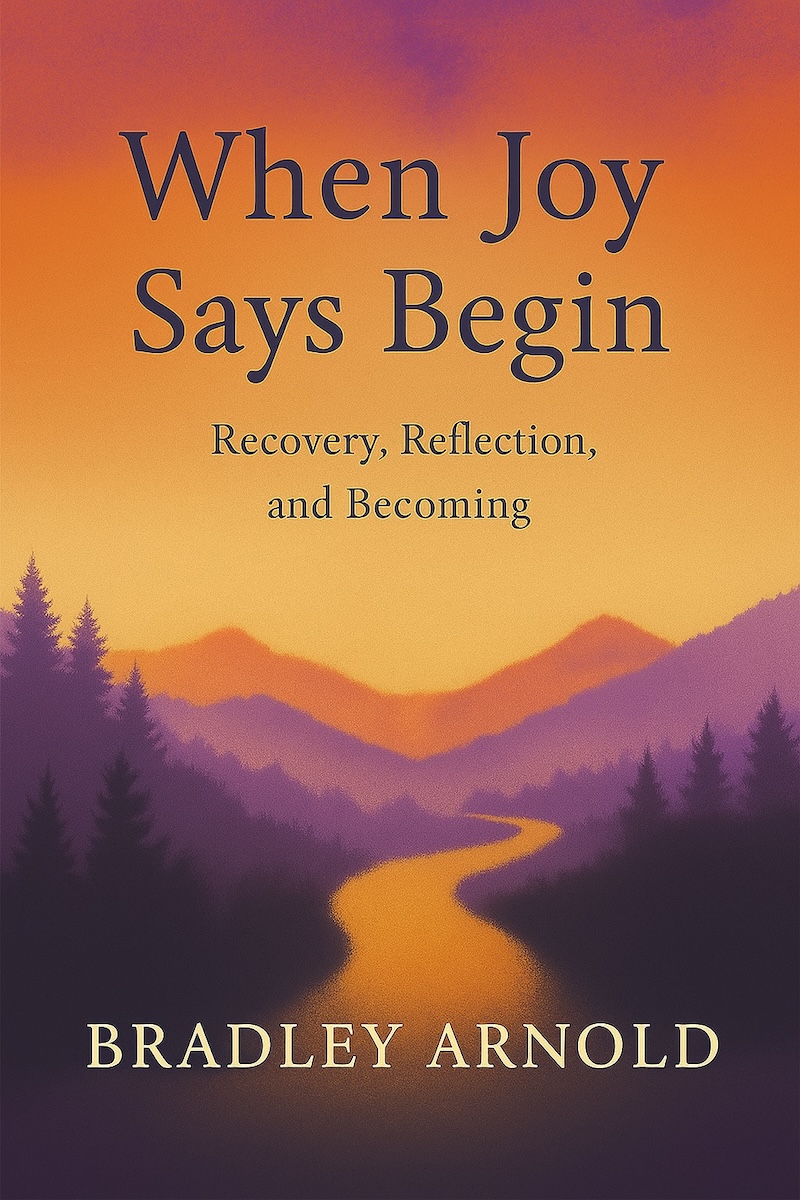
From sobriety to recovery. From recovery to living.
I entered recovery believing that alcohol was my problem. What I gradually discovered was that alcohol was a symptom of something much deeper: codependency.
Through personal reflections on the Twelve Steps, this book explores the discoveries that followed, the assumptions I began to question, and the possibilities that emerged as I learned to participate more fully in my own life.
Ultimately, this is a book about life, living, and joy.
Putting down the drink was the beginning of a journey whose destination I could not have imagined.
As I began examining my thoughts, feelings, relationships, and behaviors, I discovered patterns that had existed long before alcohol became a significant part of my life.
My dependence on the approval of others, my desire to be needed, my difficulty accepting myself, and my attempts to find a sense of worth through accomplishments and relationships gradually became part of my understanding of recovery.
Learning to live without alcohol and recognizing the limitations of my old ways of coping.
Discovering codependency and beginning to recognize the beliefs and behaviors that had shaped much of my life.
Learning to experience life rather than continually trying to control, explain, escape, or prove something through it.
These discoveries continue. Recovery is not something I have completed. It has become part of how I live.
As an atheist, I initially found much of the traditional language of the Twelve Steps difficult to reconcile with my understanding of the world.
Yet the more I explored the Steps, the more I discovered possibilities within them that did not require a belief in a supernatural being.
I began exploring spirituality through life itself: through honesty, human connection, nature, music, silence, fellowship, and the willingness to learn from experiences beyond my own understanding.
The reflections in this book represent my personal exploration of those possibilities. They are not intended to prescribe what another person should believe.
Each of us has our own relationship with life. Discovering that relationship is part of the journey.
The twelve chapters follow my personal exploration of the Twelve Steps, bringing together experiences, philosophical reflections, questions, and discoveries.
Rather than treating the Steps simply as instructions for maintaining sobriety, I explore them as opportunities to develop a different relationship with myself, with others, and with life.
Another way of exploring recovery.
Not every discovery needs to be expressed through philosophical reflection or personal narrative.
The Recovery Bears bring another dimension to the book. Through illustration, they offer a playful and visual way of approaching some of the experiences and discoveries associated with recovery.
Recovery can involve difficult and painful discoveries, but it can also involve humor, curiosity, tenderness, and delight.
The fellowship of recovery helped make this book possible.
As an expression of gratitude, I offer complimentary copies to people in recovery.
There are no financial qualifications, minimum recovery periods, or obligations. The book is simply a gift.
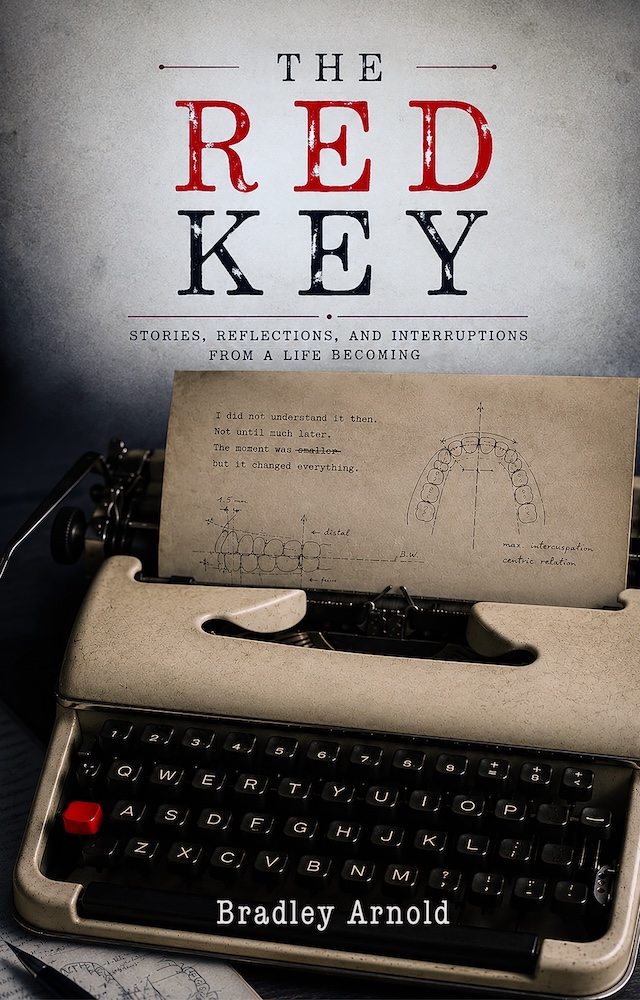
While When Joy Says Begin explores my discovery of codependency through recovery, The Red Key looks backward through my life to explore how that codependency developed.
Through memories, relationships, childhood experiences, and years of living abroad, I begin to recognize how I became the person who eventually entered recovery and how I might begin to change.
The two books approach the same ongoing journey from different directions.
Explore The Red KeyTitle: When Joy Says Begin
Author: Bradley Arnold
Subjects: Recovery, alcoholism, codependency, spirituality, personal growth, and living.
Recovery is part of my life.
It is life itself that I am learning to experience.